
Table of Contents
- Why You Need Psychology Tools Alternatives for Anxiety
- Anxiety Grounding Techniques List: Immediate Relief Methods
- Somatic Exercises for Anxiety: Body-Based Relief
- How to Practice Progressive Muscle Relaxation
- Mindfulness and Meditation: Cognitive Restructuring Through Awareness
- Digital Tools and Apps: Accessible Psychology Tools Alternatives
- Wearable Technology and Physical Tools for Anxiety Relief
- Psychoeducation and Self-Monitoring: Understanding Your Anxiety
Last Updated: August 9, 2026
Why You Need Psychology Tools Alternatives for Anxiety
Anxiety strikes without warning, during conversations, before presentations, or at 3 a.m. when your mind won't stop racing. Traditional talk therapy works for many, but it's not always accessible, affordable, or fast enough when you need relief now. Psychology tools alternatives for anxiety are evidence-based techniques, apps, and physical tools designed to interrupt the anxiety cycle without requiring a therapist's office appointment.
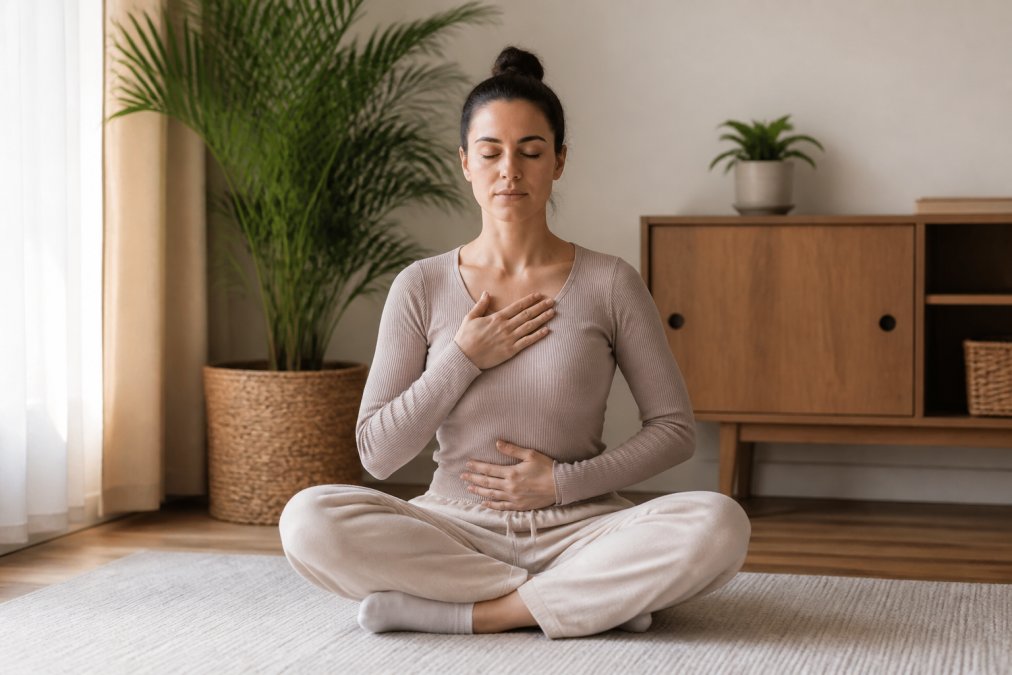
At Clarity Flow Tools, we understand that anxiety management isn't one-size-fits-all. Some people respond best to breathing exercises, others to somatic work that calms the nervous system directly, and still others to guided meditation or wearable technology. Most people find that combining a few complementary tools creates the most durable results.
This guide covers psychology tools alternatives ranging from free techniques you can start today to affordable apps and wearables. Each addresses anxiety through a different mechanism: some work on thought patterns, others on the body's stress response, and some on both. By the end, you'll have a clear map of what's available and which approaches match your lifestyle, budget, and how your anxiety actually shows up.
Anxiety Grounding Techniques List: Immediate Relief Methods
Grounding techniques snap you back to the present moment when anxiety pulls you into worst-case scenarios. They work by engaging your senses directly, interrupting the anxiety loop. The best grounding techniques are simple enough to deploy anywhere you find yourself spiraling.
5-4-3-2-1 Sensory Grounding
The 5-4-3-2-1 technique is one of the most reliable anxiety grounding techniques because it's concrete and works quickly. Identify five things you can see, four things you can touch, three things you can hear, two things you can smell, and one thing you can taste. The specificity matters: don't just say "I see a wall," say "I see a beige wall with a small crack near the corner and a shadow from the window."
This technique works because it forces your brain to focus on sensory detail instead of anxious thoughts. You can't think about catastrophe while counting exact ceiling tiles. Most people report feeling noticeably calmer within two to three minutes.
Box Breathing for Nervous System Regulation
Box breathing is a structured pattern: inhale for four counts, hold for four, exhale for four, hold for four. Repeat for two to five minutes. This rhythm signals safety to your nervous system, activating the parasympathetic response, your body's built-in brake on stress.
Why four counts? It's slow enough to calm your nervous system but not so slow that it feels unnatural. Your heart rate will begin to lower within the first minute. Military personnel and first responders use this because it's reliable under extreme stress.
Practice box breathing for two minutes each morning or evening so your nervous system recognizes the pattern. When anxiety hits, your body already knows what to do.
Somatic Exercises for Anxiety: Body-Based Relief
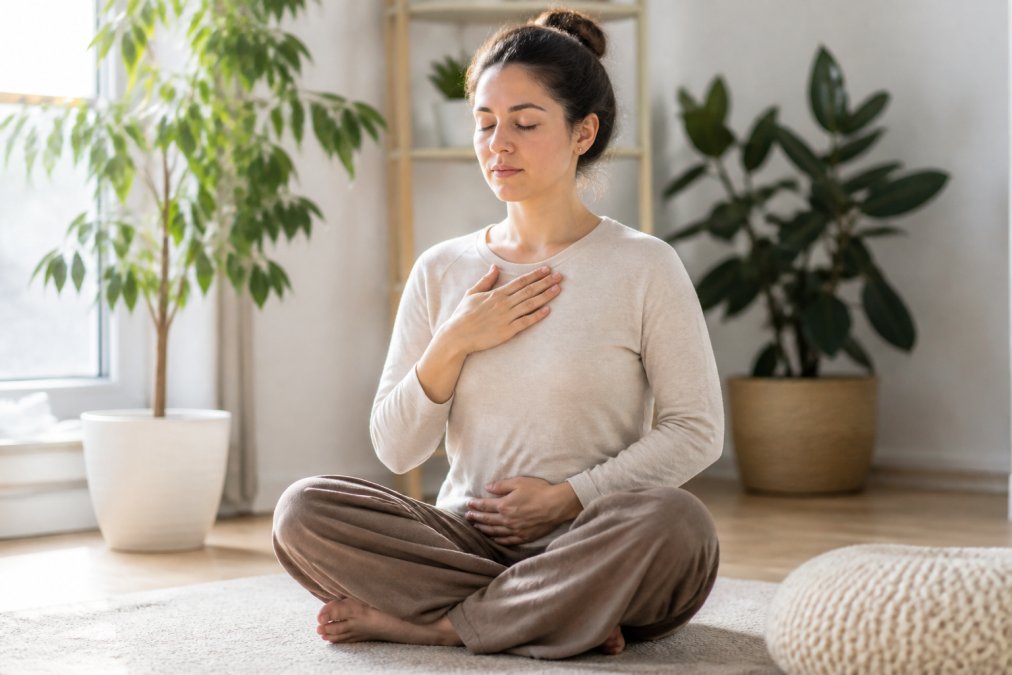
Anxiety lives in your body before it lives in your thoughts. Your shoulders tense, your chest tightens, your stomach knots. Somatic exercises work directly on this physical tension, which then calms your mind.
Progressive Muscle Relaxation Fundamentals
Progressive muscle relaxation (PMR) is one of the most researched somatic exercises for anxiety. It works by tensing a muscle group for five seconds, then releasing it. The contrast teaches your body what true relaxation feels like and gives your mind something concrete to focus on besides anxious thoughts.
The technique moves systematically through your body: feet, calves, thighs, buttocks, abdomen, chest, hands, forearms, shoulders, neck, jaw, and face. Each muscle group gets five seconds of tension followed by 20-30 seconds of relaxation. A full session takes about 15 minutes.
PMR is effective because it's both physical and mental. You're engaging your body, interrupting the anxiety cycle, while building awareness of where you hold tension. Over time, you'll notice anxiety patterns before they escalate and already know how to release them.
Yoga and Qigong for Anxiety Management
Yoga and Qigong are somatic exercises that combine movement, breathing, and mindfulness. Anxiety-focused styles emphasize slow, controlled movements. Yin yoga and restorative yoga are particularly effective because they activate the parasympathetic nervous system through sustained, gentle pressure.
Qigong, a Chinese practice involving slow, flowing movements coordinated with breath, is equally powerful and less intimidating than yoga because there's no performance element. Both practices work best when done consistently, ideally three to four times per week. A single 20-30 minute session can reduce anxiety for hours, and cumulative regular practice lowers your baseline anxiety level.
How to Practice Progressive Muscle Relaxation
Progressive muscle relaxation is straightforward, but details matter. Doing it correctly means you'll feel results immediately.
Step-by-Step PMR Technique
Step 1: Find a quiet space and get comfortable [Time: 2 minutes]
Lie down on your back or sit in a chair where your head, neck, and shoulders are fully supported. Remove distractions, phone on silent, door closed. A calm space primes your body to relax.
Step 2: Start with your feet [Time: 2 minutes]
Tense the muscles in your right foot by curling your toes downward for five seconds. Make it firm but not painful. Then release completely and notice the difference. Spend 20-30 seconds in that relaxed state before moving to the left foot.
Step 3: Move progressively upward [Time: 10 minutes]
Follow this sequence: calves (point toes away), thighs (squeeze), buttocks (clench), abdomen (tighten), chest (take a deep breath and hold), hands (make fists), forearms (flex), shoulders (shrug up to ears), neck (gentle tension), jaw (clench lightly), and face (squeeze all facial muscles).
For each group, tension for five seconds, then release and rest for 20-30 seconds. The release is where the magic happens. Your nervous system registers the contrast and learns what relaxation feels like.
Step 4: End with full-body awareness [Time: 1 minute]
After completing all muscle groups, spend a minute noticing your body as a whole. You should feel noticeably heavier and calmer. This is your parasympathetic nervous system activated.
Expected Result: Most people report feeling deeply relaxed, sometimes drowsy. Anxiety levels typically drop significantly, with effects lasting several hours.
Common Mistakes to Avoid
| Mistake | Why It Matters | Fix |
|---|---|---|
| Tensing too hard | Causes cramping, misses relaxation benefits | Use light to moderate tension only |
| Rushing through releases | Nervous system doesn't register the contrast | Spend full 20-30 seconds in relaxation |
| Inconsistent practice | One session helps temporarily; consistency builds lasting change | Practice 3-4 times per week |
| Practicing while distracted | Nervous system can't fully engage | Choose quiet space, phone silent |
Mindfulness and Meditation: Cognitive Restructuring Through Awareness
Mindfulness doesn't stop anxious thoughts; it changes your relationship to them. Instead of fighting thoughts or believing them, you observe them as mental events that come and go. This shift is cognitive restructuring at its most basic.
Meditation is the formal practice. Start with just five minutes daily. Sit quietly, focus on your breath, and when your mind wanders, gently bring it back. Each time you notice and redirect, you're strengthening your ability to observe thoughts without getting pulled into them.
Many anxiety sufferers discover that most anxious thoughts are repetitive and rarely come true. Once you see this pattern clearly, the thoughts lose their grip.
Digital Tools and Apps: Accessible Psychology Tools Alternatives
Apps and online platforms have made evidence-based anxiety management accessible to millions. They're not replacements for therapy when you need it, but they're powerful supplements.
Meditation and Mindfulness Apps (Calm, Headspace)
Calm emphasizes sleep through Sleep Stories and offers guided meditations for anxiety, stress, and focus. The interface is intuitive with a vast content library. Pricing starts at $14.99 per month or $69.99 per year, with a free tier offering limited content. A lifetime subscription is also available for $399.99.
Headspace takes a more structured approach with courses that build meditation skills progressively. It includes mindful movement and fitness content. Pricing is $12.99 per month or $69.99 per year, also with a free tier. Many people find that 10-15 minutes daily noticeably reduces baseline anxiety within two to three weeks.
Online Therapy Platforms (BetterHelp, Talkspace)
BetterHelp connects you with licensed therapists (over 30,000 across all 50 states) via messaging, phone, or video. Pricing typically ranges from $70 to $100 per week, billed every four weeks. A subscription includes weekly live sessions, messaging with your therapist, and access to journaling tools and webinars. Financial aid may be available for those who qualify, and BetterHelp accepts FSA/HSA cards.
Talkspace offers similar services. Pricing ranges from $69 to $109 per week without insurance coverage, based on the subscription tier. With insurance, Talkspace has a $10 copay on average, and many people pay $0. Messaging-first options are less intimidating for people with social anxiety around phone calls. Talkspace accepts some insurance.
The advantage of online therapy is consistency and accessibility. You can message your therapist when anxiety hits, and they respond within hours.
App-Free Workbooks and Guides
Clarity Flow Tools offers evidence-based workbooks and guides designed specifically for introverts and overthinkers managing anxiety. These are instant downloads with no subscription, login, or notifications, just practical tools you can use immediately.
The advantage is that they're yours to keep. No app updates, no feature changes, no wondering if the company will shut down. For people who prefer independence and want to avoid app fatigue, this approach resonates.
Wearable Technology and Physical Tools for Anxiety Relief
Your body sends constant signals about its stress state. Wearables help you read those signals. Physical tools give you something tangible to redirect nervous energy.
Nervous System Trackers and Wearables
Apollo Neuro is a wearable device that uses gentle vibrations to shift your nervous system state. Different modes support focus, relaxation, sleep, and recovery. Your body recognizes these vibration patterns as a signal that you're safe, activating the parasympathetic response. Most users report feeling noticeably calmer within minutes. Apollo costs $349 upfront with no subscription.
Oura Ring tracks sleep, heart rate variability, temperature, and activity, then provides daily "Readiness" and "Stress Resilience" scores. The data helps you understand how lifestyle factors affect your nervous system. The Oura Ring starts at $299, with an optional monthly membership of $5.99 per month or $69.99 per year for full features.
Tactile and Sensory Tools
Weighted blankets provide deep pressure stimulation, activating the parasympathetic nervous system. The average price for weighted blankets ranges from $30 to $300. A 15-pound blanket works best for sleep anxiety and evening relaxation.
Stress balls and hand grip trainers like The Friendly Swede Hand Grip Strength Trainer ($12.99 for a set of three) give you a physical outlet for nervous energy. They're portable, discreet, and effective for immediate relief.
Essential oil diffusers with lavender oil create an aromatic environment that signals calm to your nervous system. A basic diffuser can cost between $10.19 and $74.99. Lavender essential oil can range from $9.60 to over $200, depending on the quantity and purity. Lavender has research-backed benefits for anxiety relief.
Psychoeducation and Self-Monitoring: Understanding Your Anxiety
You can't manage what you don't understand. Anxiety isn't a character flaw; it's your nervous system's threat-detection system misfiring. Once you understand this mechanism, you stop blaming yourself and start intervening strategically.
Self-monitoring means tracking your anxiety patterns: what triggers it, what makes it worse, what brings relief. Keep a simple log for two weeks. Note the time, situation, anxiety level (1-10), and what happened next. Patterns emerge quickly, revealing whether social situations spike your anxiety, exercise reduces it, or certain times of day are worse.
Once you see the pattern, you can intervene before the spiral starts. This is where psychology tools alternatives become personalized to your nervous system.
Anxiety management isn't about finding the one perfect tool. It's about building a toolkit that matches your life, preferences, and how your nervous system responds. Some days you'll use breathing exercises; other days you'll need a meditation app or a therapist's guidance.
Clarity Flow Tools specializes in the app-free, workbook-based approach, instant downloads with no subscriptions, designed for people who want evidence-based strategies without relying on motivation or notifications. Start with the tool that resonates most, then add others as you learn what works. Consistency matters more than perfection. Most people see meaningful anxiety reduction within two to three weeks of regular practice.
Frequently Asked Questions
What are the best evidence-based alternatives to CBT for anxiety?
Cognitive behavioral therapy remains the gold standard, but evidence-based alternatives include somatic exercises, mindfulness-based interventions, progressive muscle relaxation, grounding techniques, and psychoeducation. Many people find combining multiple approaches, such as grounding techniques paired with meditation, more effective than relying on a single method. Online therapy platforms like BetterHelp and Talkspace offer professional support if self-directed tools aren't sufficient.
Can somatic exercises for anxiety actually reduce panic symptoms?
Yes. Somatic exercises work by activating your parasympathetic nervous system, which counteracts the fight-or-flight response driving panic. Progressive muscle relaxation, yoga, and controlled breathing directly signal safety to your body. Studies show these techniques reduce cortisol levels and lower heart rate variability. For best results, practice consistently, even 5-10 minutes daily builds resilience over time.
How do I know which psychology tools alternative is right for me?
Start by identifying your anxiety trigger: social situations, racing thoughts, physical tension, or sleep disruption. If tension dominates, try progressive muscle relaxation or weighted blankets. For racing thoughts, grounding techniques and journaling work well. If you need professional guidance, online therapy provides structured support. Many people benefit from combining a self-paced tool (like workbooks) with a grounding technique for immediate relief.
Are there free alternatives to paid psychology tools and apps?
Yes. Many meditation apps like Calm and Headspace offer free tiers with limited content. Free grounding techniques, 5-4-3-2-1 sensory grounding, box breathing, require no app. Journaling and self-monitoring cost nothing. Libraries often provide free access to therapy workbooks. For structured guidance, some therapists offer sliding-scale fees. However, paid tools and professional therapy often provide faster, more reliable results.